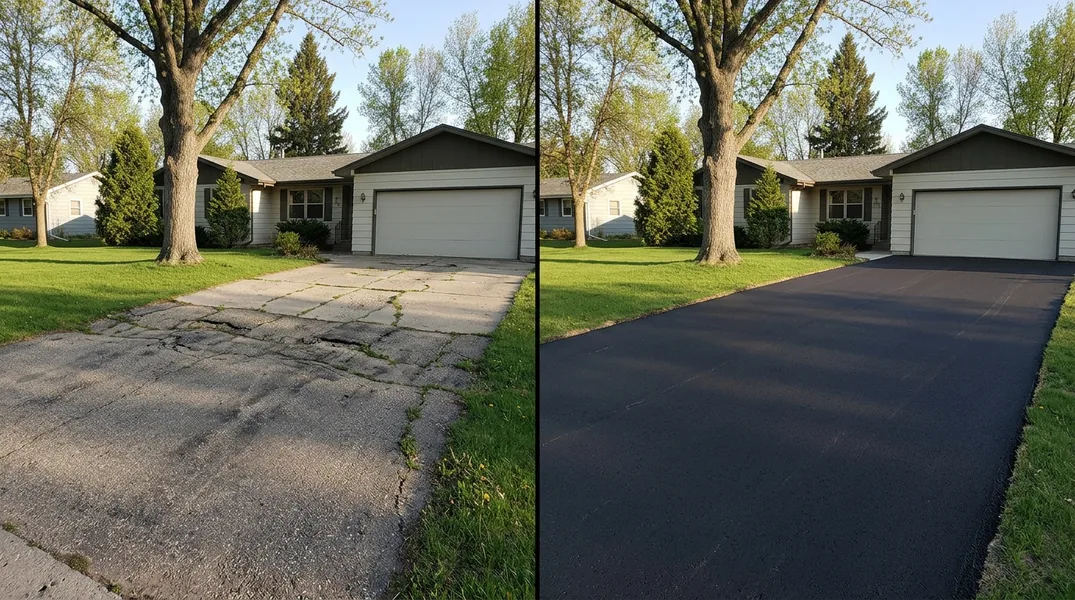
Signs Your Driveway Needs More Than a Patch
Your driveway is one of the first things visitors notice about your home, and it takes a beating from North Dakota weather year-round. Small cracks and minor surface damage might seem like quick fixes, but knowing when a patch will actually solve the problem is crucial. Many homeowners in Bismarck discover too late that a single patch was just a temporary Band-Aid on a much larger issue.
If you're seeing multiple cracks spreading across your driveway, large potholes, or areas where the surface is crumbling and breaking apart, patching alone won't restore structural integrity. When damage covers more than 30 percent of your driveway's surface, or when cracks are interconnected in a web-like pattern, it's usually a sign that the underlying base layer has begun to fail. At this point, Driveway Repair through patching becomes inefficient and costly in the long run because you'll be returning to fix the same spots repeatedly.
Understanding the Difference Between Patching and Full Replacement
Pothole Repair & Asphalt Patching is an excellent solution when damage is isolated and the surrounding asphalt remains in good condition. A patch fills in the damaged area and seals it against moisture, extending your driveway's life by several years if applied correctly. However, patching only addresses the symptom, not the underlying cause. If your driveway has settled unevenly, if the base layer has shifted, or if water has penetrated deep into the foundation, patches will fail prematurely.
A full replacement or Asphalt Resurfacing & Overlay removes the old asphalt and either replaces the entire structure or applies a new layer over a prepared base. This approach addresses root causes like poor drainage, inadequate compaction, or base material breakdown. While replacement costs more upfront, it provides a fresh start and typically lasts 15 to 20 years with proper maintenance, compared to the 3 to 5 year lifespan of a patched section. For homeowners in Bismarck facing recurring driveway problems, replacement often proves more economical over time.
How Long for Asphalt to Cure and When You Can Use Your Driveway
One of the most common questions homeowners ask after new asphalt work is: how long before you can drive on new asphalt? The answer depends on weather conditions and the type of work performed. In general, new asphalt reaches initial hardness within 48 to 72 hours, but this doesn't mean it's fully cured. During this window, light foot traffic is acceptable, but driving should be avoided if possible.
Full curing typically takes 6 to 12 months, during which the asphalt continues to harden and bond with the base layer. However, you don't need to wait that long to use your driveway normally. Most professionals recommend waiting at least one week before regular vehicle traffic, and two to three weeks before heavy use or parking in the same spot repeatedly. Temperature plays a major role in how long for asphalt to cure. Cooler weather slows the process, while warm weather accelerates it. In Bismarck's climate, where temperatures fluctuate significantly, patience during the initial curing period prevents costly damage and ensures your driveway reaches its full strength potential.
New Asphalt Driveway Care: Essential Maintenance from Day One
Proper care immediately after installation sets the tone for your driveway's longevity. New asphalt driveway care begins the moment the work is complete. Avoid parking heavy vehicles on the surface for at least two weeks, and try to distribute weight evenly when driving. During warm weather, avoid leaving vehicles parked in the same spot for extended periods, as the weight combined with heat can cause rutting or soft spots to develop prematurely.
Keep your new driveway clean by sweeping away debris and preventing dirt accumulation, which can trap moisture and accelerate deterioration. Avoid using harsh chemicals or de-icing salts during the first winter, as these can compromise the asphalt's bond with the base layer while it's still curing. Instead, use sand or kitty litter for traction on icy surfaces. Inspect your driveway regularly for small cracks or signs of settling, and address them promptly before they expand. The first few months are critical, and the care you invest now directly impacts whether you'll need repairs in a few years or enjoy a durable surface for decades.
How Often to Seal Driveway: A Preventive Maintenance Schedule
One of the most effective ways to extend your driveway's life is understanding how often to seal driveway surfaces. Seal coating acts as a protective barrier against UV rays, water infiltration, and chemical damage from road salt and oil spills. Most experts recommend seal coating every two to three years for driveways in climates like Bismarck, where freeze-thaw cycles and harsh winters are common. However, the first seal coat should wait until your asphalt is fully cured, typically 6 to 12 months after installation.
Regular seal coating dramatically reduces the need for expensive repairs and prevents small cracks from becoming major problems. When water seeps into cracks, it expands during freezing, widening the damage and eventually leading to pothole formation. A sealed surface keeps water on top where it can drain away, rather than penetrating the asphalt layers below. If you're unsure about your specific driveway's seal coating schedule or whether your current surface needs attention, the team at Bismarck Asphalt Paving can evaluate your driveway and recommend a maintenance plan tailored to your needs. Call (701) 401-4897 for a professional assessment.
Asphalt Driveway Paving & Installation Near Me: When to Call a Professional
Deciding whether to patch or replace your driveway is a significant decision that affects both your budget and your home's curb appeal. If you're uncertain about the extent of damage or the best course of action, a professional evaluation is invaluable. Asphalt Driveway Paving & Installation companies like Bismarck Asphalt Paving have the expertise to assess structural integrity, identify underlying issues, and recommend solutions that match your timeline and budget.
Whether your driveway needs a targeted patch, a resurfacing overlay, or a complete replacement, working with experienced professionals ensures the job is done correctly the first time. The pricing for driveway work varies based on damage severity, square footage, and the solution required. Rather than guessing or attempting temporary fixes that waste money, get a free estimate from Bismarck Asphalt Paving. Our team will provide honest recommendations and transparent pricing so you can make an informed decision about your driveway's future. Contact us at (701) 401-4897 or visit our website to schedule your consultation today.
Looking for a professional asphalt paving contractor in Bismarck? Bismarck Asphalt Paving responds fast for all your asphalt paving needs.
Get a Free Quote